Pregnancy Care

Fourth Trimester: Your Essential Postpartum Self-Care Guide

You’ve packed the hospital bag, survived labor, and finally brought your beautiful baby home. Everyone is focused on the newborn—but who is focusing on you?

The first 12 weeks after birth are widely referred to by doctors and experts as the “Fourth Trimester.” During this profound transitional period, your body undergoes rapid hormonal drops, physical healing, and a complete lifestyle shift.

Taking care of yourself isn’t selfish; it is a vital part of taking care of your baby. Here is your ultimate guide to navigating postpartum physical and emotional recovery.

1. Prioritize Physical Healing

Whether you had a vaginal delivery or a C-section, your body has just ran the ultimate marathon and requires active recovery.

  • Soothe the Perineum: If you had a vaginal birth, swelling and soreness are entirely normal. Use a peri bottle with warm water instead of toilet paper after using the bathroom. Upay chilled hazel padsicles (maxi pads sprayed with witch hazel and frozen) can offer instant, cooling relief.
  • C-Section Care: If you delivered via cesarean, honor your major abdominal surgery. Avoid lifting anything heavier than your baby, hold a pillow over your incision when you laugh or cough to splint the muscles, and keep the area clean and dry.
  • Expect Postpartum Bleeding: Known as lochia, your body will shed blood and tissue for up to 4 to 6 weeks after birth. Stick to heavy-duty maxi pads or disposable postpartum underwear—avoid tampons entirely during this window to prevent infection.

2. Navigating the Hormonal Shift & “Baby Blues”

Within 48 hours of giving birth, your estrogen and progesterone levels plummet back to pre-pregnancy states. This sudden crash, combined with extreme sleep deprivation, triggers the “Baby Blues” in up to 80% of new mothers.

What is Normal?

Feeling weepie, anxious, or overwhelmed during the first two weeks is incredibly common. You might cry at a commercial or feel sudden waves of self-doubt.

When to Seek Help: If these feelings last longer than two weeks, intensify, or include feelings of severe hopelessness or a detachment from your baby, you may be experiencing Postpartum Depression (PPD) or Postpartum Anxiety (PPA). Reach out to your healthcare provider right away—it is incredibly common, highly treatable, and nothing to be ashamed of.

3. Postpartum Nutrition: Refueling Your Body

Your nutritional needs don’t drop the moment the baby is born, especially if you are breastfeeding. Your body requires clean fuel to repair tissues and produce nutrient-rich milk.

  • Stay Hydrated: Keep a large, insulated water bottle next to your favorite nursing station. Aim to drink a glass of water every single time you nurse or pump.
  • Focus on Warm, Easily Digestible Foods: In many cultures, new mothers are given warm soups, stews, and bone broths. These are excellent because they are comforting, easy on a sluggish postpartum digestive system, and packed with collagen to aid tissue repair.
  • Keep Taking Your Vitamins: Continue taking your prenatal or switching to a dedicated postnatal vitamin for as long as your doctor recommends to replenish depleted nutrient stores.

4. Redefining “Sleep”

“Sleep when the baby sleeps” is classic advice that can feel incredibly frustrating when you have a mountain of laundry or just want a quiet shower. However, chronic sleep deprivation slows down your physical healing and worsens mood vulnerability.

  • Shift the Mindset: Don’t worry about getting a solid 8-hour block. Aim for cumulative rest. A 20-minute nap while a partner or family member holds the baby can completely reset your brain chemistry.
  • Accept Help Boldly: When loved ones ask, “How can I help?”, give them a specific task. Ask them to watch the baby for one sleep cycle, wash the pump parts, or bring over a hot meal.

Final Thoughts: Be Gentle with Your Evolution

Your body didn’t change overnight to grow a baby, and it won’t return to “normal” overnight either. Give yourself the grace, time, and patience to adapt to this beautiful, challenging new identity. You are learning to be a mother just as your baby is learning to be a person.

The Third Trimester Countdown: How to Prep for Labor, Delivery, and Your Newborn

You’ve made it to the home stretch! Entering the third trimester (weeks 28 to 40+) means you are officially in the final countdown.

While the second trimester was all about nesting and planning, the third trimester is about pure preparation and pacing yourself. Your baby is doing some serious growing right now—gaining weight rapidly, developing fat layers, and getting ready to greet the world.

As your bump reaches its maximum size, you might feel a return of fatigue, some backaches, and a lot of anticipation. To help you feel completely confident and calm heading into the delivery room, here is your essential third trimester preparation checklist.

1. Pack Your Hospital Bag Early

Babies have their own timelines, and sometimes they like to make a surprise early appearance. Aim to have your hospital bag packed and waiting by the door or in the car by week 35 or 36.

Essentials for Mom:

  • Comfortable Clothing: Loose pajamas, a nursing bra, a soft robe, and non-slip socks.
  • Toiletries: Lip balm (hospital air is notoriously dry), hair ties, toothbrush, and your favorite skincare items.
  • Postpartum Care: High-waisted cotton underwear or disposable underwear, and extra-absorbent maxi pads.

Essentials for Baby:

  • Going-Home Outfit: Pack a couple of options in different sizes (newborn and 0-3 months).
  • A Installed Car Seat: You cannot legally drive your baby home from the hospital without a properly installed, rear-facing infant car seat. Get it checked by a professional ahead of time!

2. Write Down Your Birth Preferences (Birth Plan)

A birth plan isn’t a rigid script, but rather a guide that helps your medical team understand your wishes. It’s a great tool to spark conversations with your doctor or midwife during your weekly checks.

  • Pain Management: Do you want an epidural, or are you hoping for a natural, unmedicated birth?
  • Environment: Would you prefer dim lighting, specific music playing, or limited visitors in the room?
  • Immediate Postpartum: Share your preferences on immediate skin-to-skin contact, delayed cord clamping, and whether you plan to breastfeed or formula-feed.

3. Stock Up on Household Essentials

The last thing you’ll want to do when you come home with a newborn is run to the grocery store for toilet paper or dish soap. Use these final weeks to build a “buffer stash” at home.

The Postpartum Pantry Strategy: Stock up on non-perishable food, pantry staples, toilet paper, laundry detergent, and paper plates (to save you from doing dishes!).

Even better: fill your freezer with pre-made, easily reheatable meals like casseroles, soups, and breakfast burritos. Future you will thank you immensely!

4. Count the Kicks

Your doctor will likely ask you to start tracking your baby’s movements daily starting around week 28. This is a simple, highly effective way to monitor your baby’s well-being.

  • How to Do It: Pick a time of day when your baby is usually active (often after eating a meal or drinking something cold). Lie on your side and count how long it takes to feel 10 distinct movements (kicks, rolls, flutters).
  • The Target: Ideally, you want to feel 10 movements within 2 hours. If you notice a sudden drop in movement or if something feels off, never hesitate to call your healthcare provider immediately.

5. Prepare Your Postpartum Recovery Station

While it’s easy to focus 100% on the baby, your body will need deep healing after birth. Set up a basket in your bathroom stocked with recovery essentials so they are within arm’s reach when you return home:

  • Perineal spray (witch hazel spray to soothe swelling).
  • A peri bottle for gentle cleaning.
  • Large, comfortable maxi pads.
  • Nipple cream if you plan to breastfeed.

Final Thoughts: Rest, Rest, Rest

The most important item on your third trimester checklist is to slow down. Nap when you can, put your feet up to reduce ankle swelling, and enjoy the quiet moments before your beautiful, chaotic, and wonderful new chapter begins. You’ve got this, mama!

The Ultimate Second Trimester Checklist: What to Do When the “Golden Period” Arrives

Welcome to the second trimester! Spanning from week 14 to week 27, this phase is affectionately known by many moms as the “honeymoon period” of pregnancy.

For most, the intense morning sickness and crushing fatigue of the first trimester begin to fade, replaced by a welcome burst of energy and that unmistakable “pregnancy glow.” Your baby bump is finally making its debut, and the reality of meeting your little one is setting in.

Because you are likely feeling much more like yourself right now, this is the absolute best time to get organized. Here is your ultimate second trimester checklist to make the most of these energetic weeks.

1. Schedule and Prepare for the Anatomy Scan

Around weeks 18 to 22, you will head in for one of the most exciting milestones of your entire pregnancy: the mid-pregnancy ultrasound, or anatomy scan.

  • What It Is: This is a detailed, top-to-toe check of your baby’s growing organs, brain, bones, and heart to ensure everything is developing beautifully.
  • The Big Reveal: If you want to know the biological sex of your baby before birth, this is usually the moment you can find out!
  • Tip: Drink plenty of water in the days leading up to your appointment, as being well-hydrated improves the clarity of the ultrasound images.

2. Start Planning the Nursery

Don’t wait until the third trimester to design your baby’s room. As you get heavier in the final weeks, building furniture and painting will feel like a massive chore. Take advantage of your current energy surge.

The Nursery Basics:

  • Clear the Space: Choose the room and declutter it entirely.
  • Invest in Safety First: Start researching cribs that meet current safety standards.
  • Think Long-Term: Look into convertible cribs or timeless dressers that can grow alongside your child.

3. Screen for Gestational Diabetes

Between weeks 24 and 28, your healthcare provider will schedule a glucose screening test.

What to Expect: You will drink a sugary medical beverage (often tasting like flat orange soda) and have your blood drawn an hour later to see how efficiently your body processes sugar.

Gestational diabetes is a temporary form of diabetes that develops during pregnancy. Catching it early ensures you can manage it safely through diet, exercise, or medication to protect both you and your baby.

4. Upgrade to Maternity Wear

Your regular jeans might be putting up a fight by week 16 or 17. Instead of squeezing into tight clothes, embrace the comfort of maternity wear. You don’t need an entirely new wardrobe right away—start with the essentials:

  • Maternity Leggings: Look for over-the-belly bands that offer gentle support to your growing bump.
  • A Supportive Bra: Your breasts will continue to change size. Look for soft, wire-free maternity or nursing bras that provide room to breathe.
  • Belly Oil or Butter: Keep your stretching skin hydrated to soothe the itchiness that often accompanies a growing bump.

5. Switch Your Sleeping Position

As your uterus grows heavier, sleeping flat on your back can compress a major blood vessel called the vena cava, potentially reducing blood flow to your baby and making you feel dizzy.

  • Side Sleeping is King: Start training yourself to sleep on your side (preferably your left side, which optimizes circulation).
  • Get a Pregnancy Pillow: A C-shaped or U-shaped body pillow will become your absolute best friend, supporting your back, hips, and bump simultaneously.

6. Start Your Baby Registry

Building a registry takes time, and your friends and family will want to know what you need for the baby shower. Use the second trimester to research the big-ticket items without rushing:

  • Strollers and car seats (look for safety ratings).
  • Baby monitors and sound machines.
  • Essential health items like thermometers and nasal aspirators.

Final Thoughts: Enjoy the Sweet Spot

The second trimester flies by quickly. While it’s great to check items off your to-do list, don’t forget to pause and connect with your changing body. This is the trimester where you will likely feel your baby’s very first kicks (known as quickening)—a magical reminder of the beautiful reward waiting for you at the finish line.

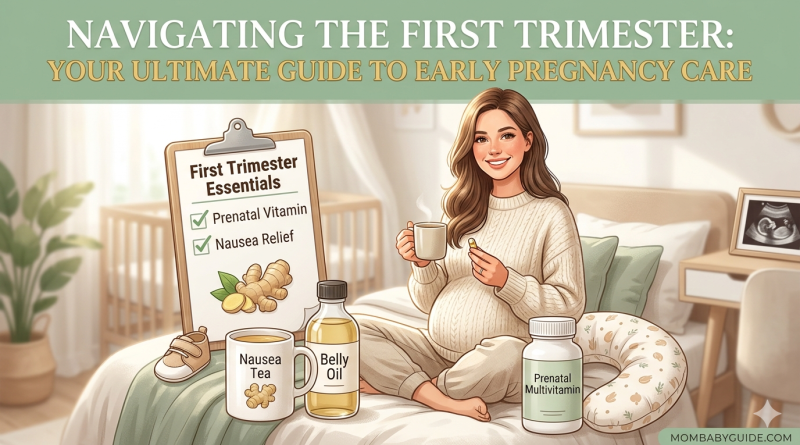
Navigating the First Trimester: Your Ultimate Guide to Early Pregnancy Care

Finding out you’re pregnant is a whirlwind of emotions. Whether you felt an instant wave of joy, a bit of panic, or a mix of both, congratulations! You are embarking on an incredible journey.

While your baby bump won’t show for a while, your body is working overtime behind the scenes during the first trimester (weeks 1 through 13). From sudden bouts of morning sickness to extreme fatigue, early pregnancy care sets the foundation for a healthy nine months ahead.

Here is your comprehensive, step-by-step guide to taking care of yourself and your growing baby during these vital first few weeks.

1. Prioritize Early Prenatal Care

The moment you see that positive test, your first step should be scheduling your initial prenatal appointment. Most healthcare providers will want to see you around week 8, but calling early ensures you get on their schedule.

  • Start Prenatal Vitamins Immediately: If you aren’t already taking them, start a daily prenatal vitamin containing at least 400 to 800 micrograms of folic acid. Folic acid is scientifically proven to reduce the risk of neural tube defects (serious birth defects of the brain and spinal cord) by up to 70%.
  • Review Your Medications: Make a list of all prescription drugs, over-the-counter medicines, and herbal supplements you take. Discuss them with your doctor to ensure they are safe for the baby.

2. Managing the Infamous “Morning Sickness”

Let’s clear up a huge myth: morning sickness doesn’t just happen in the morning. It can hit at 2:00 PM or 3:00 AM. Caused by a rapid surge in pregnancy hormones (specifically hCG and progesterone), nausea and food aversions affect up to 80% of pregnant women.

Quick Tips to Beat Nausea:

  • Eat Small, Frequent Meals: An empty stomach worsens nausea. Keep crackers or dry toast on your nightstand and eat a few bites before even getting out of bed.
  • Stay Hydrated: Sip on water, ginger tea, or electrolyte drinks throughout the day.
  • Embrace Ginger and Lemon: Natural remedies like ginger lozenges, peppermint tea, or simply sniffing a freshly cut lemon can instantly calm an upset stomach.

3. Listen to the Exhaustion

If you suddenly feel like you need a 10-hour sleep after walking up a flight of stairs, you aren’t lazy. Your body is building an entirely new organ—the placenta—to nourish your baby. This requires a massive amount of energy, alongside a drop in blood pressure and lower blood sugar levels.

Your New Golden Rule: Sleep when you can. Give yourself permission to leave the dishes in the sink, skip a workout, and go to bed at 8:00 PM if your body is asking for it.

4. First Trimester Nutrition: Focus on Quality over Quantity

You might have heard the phrase “eating for two,” but during the first trimester, your baby is only the size of a chia seed to a lime. You actually do not need any extra daily calories right now. Instead, focus on nutrient-dense choices that are easy on your stomach.

Key NutrientWhy You Need ItBest Food Sources
Folate / Folic AcidBrain and spinal developmentSpinach, lentils, fortified cereals, citrus fruits
IronSupports increased blood volumeLean meats, beans, spinach, pumpkin seeds
CalciumBuilds baby’s bones and teethYogurt, milk, pasteurized cheeses, tofu, broccoli
ProteinSupports uterine and tissue growthEggs, chicken, fish (low-mercury), nuts, legumes

A friendly reminder: If severe nausea means you can only keep down beige carbs like bagels and noodles right now, don’t stress. Do your best, take your prenatal vitamin, and your appetite will likely return in the second trimester!

5. What to Avoid in the First Trimester

To protect your developing embryo, certain lifestyle habits and foods need to be paused:

  • Foods to Skip: Raw or undercooked seafood (sushi), unpasteurized milk and juices, soft cheeses (like brie or feta unless labeled “made with pasteurized milk”), and deli meats (unless heated until steaming) to avoid Listeria bacteria.
  • Limit Caffeine: Keep your caffeine intake under 200 mg per day—roughly one standard 12-ounce cup of coffee.
  • Substances: Absolutely avoid alcohol, smoking, and recreational drugs, as they severely impact fetal development.

Final Thoughts: Take it One Day at a Time

The first trimester is as much a mental transition as it is a physical one. Mood swings are incredibly common due to shifting hormones, anxiety about the future, and physical discomfort. Be gentle with yourself. You are doing the quiet, invisible, and miraculous work of growing a human being.

Starting Solids After 6 Months: What to Feed Your Baby and How to Start

​For the first 6 months of life, exclusive breastfeeding is more than enough to meet all of your baby’s nutritional needs. However, as your baby crosses the 6-month milestone and enters their 7th month, their rapidly growing body requires complementary foods alongside breast milk. In medical terms, this transition is known as complementary feeding, or more commonly, introducing solids.

​For new parents, introducing the first solid food often brings a mix of excitement, fear, and hesitation: What should I feed them? How do I feed them? Will it upset their tummy?

​In today’s guide, we will break down the correct, safe, and stress-free rules for starting your baby’s journey into the world of solid foods.

​Is Your Baby Ready for Solids? Look for These Signs

​Instead of rushing to feed your baby exactly on their 6-month birthday, look for these physical developmental signs:

  • ​Sitting Up: Your baby can sit upright with little to no support.
  • ​Head Control: Their neck is strong, and they can hold their head steady and control its movement.
  • ​Curiosity: They show a keen interest in food (e.g., staring intently when adults eat or reaching for your plate).
  • ​Reflexes: The tongue-thrust reflex (automatically pushing food out of the mouth with the tongue) has diminished.

​What Foods Should You Start With?

​In the beginning, avoid heavy or complex meals made with multiple ingredients. Stick to single-ingredient foods that are easily digestible and smooth in texture.

​1. Single-Grain Cereals

​You can start with a thin, smooth porridge (puree) made from homemade rice flour or suji. It is gentle on the stomach and rarely causes allergic reactions.

​2. Vegetable Purees

​Steamed and finely mashed or pureed vegetables are excellent starters. Great options include:

  • ​Sweet Potato
  • ​Sweet Pumpkin
  • ​Carrots or Ripe Papaya

​3. Fruit Purees

​Fruits are naturally sweet and soft, making them an instant hit with babies.

  • ​Banana: Thoroughly mashed with a fork.
  • ​Apple or Pear: Slightly steamed to soften, then blended or finely mashed.
  • ​Quantity: Do not expect your baby to finish a whole bowl. Start with just 1 to 2 teaspoons per feeding. The goal right now is practice, not volume.
  • ​Frequency: Offer solid food just once a day initially. It is best to do this in the morning or early afternoon so you have the entire day to monitor them for any digestive issues.
  • ​The Main Source: Remember, even after introducing solids, breast milk or formula remains your baby’s primary source of nutrition and calories until their first birthday.
  • ​Never Force Feed: If your baby turns their head away, closes their mouth, or cries, stop feeding them. Eating should never feel like a punishment.
  • ​Food Consistency: The food should not be as watery as liquid milk, nor should it be too thick or solid. Aim for a semi-solid, smooth puree consistency that drops slowly when you tilt the spoon.
  • ​Hygiene is Key: Always thoroughly wash your hands and sterilize the baby’s feeding bowls, spoons, and cooking utensils before preparing meals.
  • ​Absolutely No Honey: Never give honey to a baby under 1 year of age. Honey can contain spores of a bacteria that cause infant botulism, a rare but serious and potentially life-threatening illness.