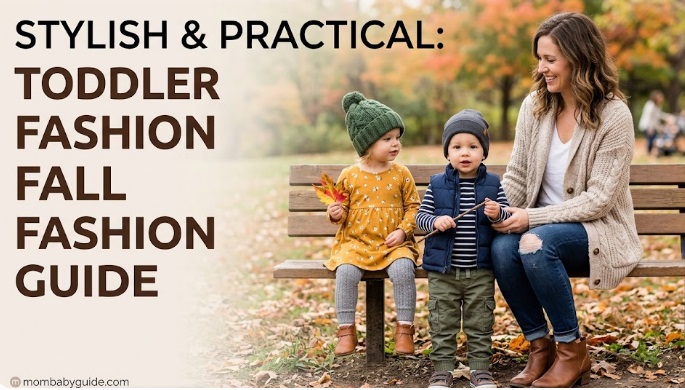
Fall is here, and it’s time to refresh your little one’s wardrobe! For busy moms, the key is finding clothes that are both adorable and functional. This guide will help you navigate the best of toddler fall fashion.
Layering is Your Best Friend:
The weather can be unpredictable, so layers are essential. Think cardigans over t-shirts, leggings under dresses, and vests that can be added or removed as needed. This ensures your toddler is comfortable all day long.
Comfort Over Everything:
Toddlers are on the go, so comfort is a must. Look for soft, breathable fabrics like cotton and fleece. Elastic waistbands are a lifesaver, and clothes should be easy to put on and take off (think buttons and zippers, but maybe skip the complicated ones).
Choose Durable and Washable Fabrics:
Let’s face it: toddlers are messy. Invest in clothes that can withstand frequent washing. Cotton, denim, and fleece are durable options. Pay attention to care labels to ensure the items are easy to maintain.
Don’t Forget the Details:
Add some fun and personality to your toddler’s look with cute accessories. Beanies, scarves, and even tiny sunglasses can elevate a simple outfit. When it comes to shoes, opt for practical and comfortable options that are easy for little feet to walk in.
Classic Fall Colors and Prints:
Embrace the season with warm and earthy tones like mustard yellow, olive green, burnt orange, and deep reds. Plaid patterns and animal prints are also popular choices for fall. Don’t be afraid to mix and match to create unique looks.
Must-Have Toddler Fall Fashion Items:
Cardigans: Versatile and easy to layer.
Leggings: Comfortable and great for active toddlers.
Puffer Vest: Perfect for adding warmth on chilly days.
Beanie and Scarf: Keeps little heads and necks warm.
Durable Boots or Sneakers: Practical for playing outdoors.
Get Inspired!
Check out Pinterest and Instagram for endless inspiration. Look for toddler fashion bloggers and influencers who share their little ones’ stylish outfits. Remember, have fun with it and choose clothes that make your toddler feel happy and comfortable.
The toddler years are a beautiful, whirlwind phase of rapid growth. Your little one is learning to walk, talk, and explore the world around them. But this sudden rush of independence often comes with a challenging sidekick: toddler tantrums and meltdowns.
When your two-year-old throws themselves on the floor because you cut their toast the wrong way, it is easy to lose your patience. However, shifting from reactive discipline to positive parenting can entirely change the dynamic in your home.
Positive parenting isn’t about letting your child do whatever they want. Instead, it focuses on building a strong, respectful connection while setting firm, loving boundaries.
Here are five highly effective, positive parenting tips for toddlers that will help you manage difficult behavior without resorting to yelling.
1. Reframe “Bad Behavior” as Misunderstood Communication
Toddlers experience massive, overwhelming emotions like frustration, anger, and fatigue, but they lack the brain development to express them calmly. When a toddler acts out, they aren’t trying to push your buttons—they are trying to tell you something.
The Positive Shift: Look past the behavior to find the trigger. Are they hungry? Tired? Overstimulated?
What to say:“I see you are throwing your blocks. Are you feeling frustrated because they keep falling over?”
Naming the emotion validates their feelings, which naturally helps lower their emotional temperature.
2. Master the Power of “Positive Phrasing”
Toddlers hear the word “No” dozens of times a day. Over time, they tune it out, or it triggers an immediate defensive reaction. Positive parenting flips the script by telling your child what to do instead of what not to do.
The human brain processes positive directives much faster than negative ones. Consider making these simple language shifts in your daily routine:
Instead of saying…
Try saying…
“Don’t run in the house!”
“Please use your walking feet inside.”
“Stop hitting the dog!”
“Use gentle hands with the puppy.”
“Don’t throw your food!”
“Food stays on the plate, please.”
3. Offer Limited Choices to Give Them Control
A major cause of toddler tantrums is feeling powerless. They are told when to eat, what to wear, and when to sleep. You can drastically reduce power struggles by offering controlled choices, giving them a sense of autonomy while you still control the outcome.
Keep choices limited to just two options so their developing minds don’t feel overwhelmed:
“Do you want to wear the blue shirt or the red shirt today?”
“Should we pack up the blocks first, or the books?”
“Would you like to walk to the car like a bear or hop like a bunny?”
Pro-Tip: Make sure you are perfectly happy with both options before you offer them!
4. Establish Predictable Daily Routines
Toddlers thrive on predictability. When they know what to expect next, they feel safe and are much more cooperative. Unexpected transitions (like leaving the park or stopping playtime) are prime zones for major meltdowns.
Create a simple visual or verbal routine for high-friction times like mornings and bedtime. Use countdowns to prepare them for transitions:
1.Give a 5-Minute Warning:Preparation.
Let them know a change is coming. “In five minutes, we are leaving the park to go home for lunch.”
2.Give a 2-Minute Warning:Finality.
Reiterate the boundary clearly. “Two more times down the slide, then it’s time to go.”
3.Acknowledge and Move:Execution.
Validate the transition while maintaining the boundary. “It’s hard to leave the park because it’s so fun! Let’s race to the stroller.”
5. Connect Before You Correct
When your toddler misbehaves, your instinct might be to isolate them or issue an immediate consequence. However, a highly emotional child cannot process a lesson. Their “brain lid” is flipped, and they are in fight-or-flight mode.
Always focus on emotional connection first to bring their nervous system back to a calm state:
Get down on their eye level: Physical proximity shows you are there to help, not threaten.
Offer a hug or physical touch: If they allow it, a warm embrace releases oxytocin, which naturally lowers stress.
Keep your voice calm and quiet: Your calm is contagious. If you match their high volume, the meltdown will only escalate.
Once your child is calm, you can gently discuss the boundary: “It’s okay to be mad, but it is not okay to hit. Next time, tell me ‘I’m mad!'”
Final Thoughts for Parents
Transitioning to positive parenting takes time, practice, and a lot of grace—mostly for yourself. There will be days when you lose your cool, and that is completely normal. When it happens, repair the moment with your toddler by apologizing. This teaches them another valuable life lesson: how to handle mistakes.
By implementing these positive parenting tips for toddlers, you aren’t just managing today’s behavior; you are building a lifetime foundation of trust, communication, and emotional resilience for your child.