Baby Care

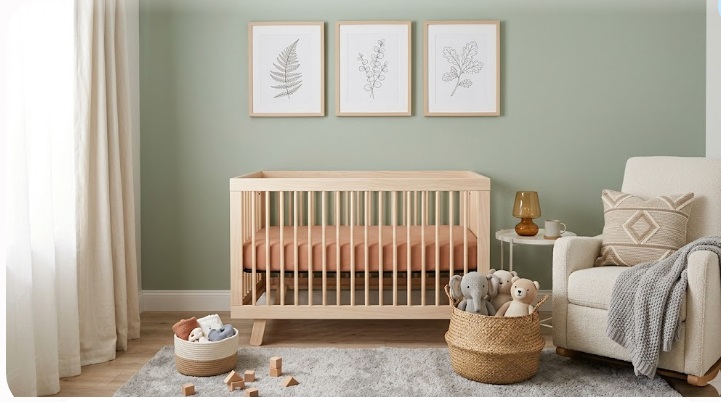
Beautiful Nursery Decor Ideas for New Parents

Preparing for a new baby is one of the most exciting journeys in parenthood. Amidst choosing baby gear and folding tiny clothes, designing the nursery is a special project where your creativity can truly shine.

However, a great nursery needs to be more than just picture-perfect for social media; it needs to be a functional, safe, and calming space for both you and your baby during those late-night feeds.

Whether you are working with a spacious room or a cozy corner in your master bedroom, these budget-friendly and stylish nursery decor ideas will help you create the perfect sanctuary.

1. Choose a Calming, Versatile Color Palette

While bright primary colors are stimulating for older babies, a nursery should ideally be a serene environment that promotes sleep. Soft, muted tones work best as a base.

  • The Trend: Moving away from strict “baby blue” or “bubblegum pink” toward gender-neutral, earthy palettes. Think sage green, warm beige, soft terracotta, or dusty lavender.
  • Growth Tip: Choose a wall color that can grow with your child. Neutral walls allow you to easily update the room’s vibe later just by swapping out toys, art, and bedding.

2. Designate Functional “Zones”

To keep the nursery from feeling chaotic, organize the layout into three distinct functional zones:

ZoneEssential ItemsDesign Focus
The Sleep ZoneCrib, firm mattress, blackout curtainsMinimalist, clutter-free, and away from direct window drafts.
The Care ZoneChanging table/dresser, diaper pail, wipes organizerEverything within arm’s reach so you never have to leave your baby unattended.
The Feeding ZoneComfortable glider or rocker, side table, dim dimmable lampFocus on maximum comfort for long nights.

3. Create a Stunning Focal Point with a Feature Wall

You don’t need to decorate every square inch of the room to make an impact. Pick one wall—usually the wall behind the crib—to be your statement feature wall.

  • Removable Wallpaper: Peel-and-stick wallpaper is a lifesaver for nurseries. From whimsical woodland creatures to minimalist geometric prints, it adds instant personality and is easy to remove when tastes change.
  • Gallery Wall: Frame a mix of sweet animal prints, botanical illustrations, or simple line art.
  • Custom Name Sign: A wooden or acrylic cutout of your baby’s name centered over the crib or changing station adds a beautiful, deeply personal touch.

4. Prioritize Smart, Accessible Storage

Babies accumulate a lot of “stuff”—from tiny socks to massive diaper packs. Keep the clutter at bay by utilizing vertical space and hidden storage.

  • Floating Bookshelves: Instead of a bulky bookcase, install floating shelves on the wall. Displaying children’s books with the covers facing out acts as functional, vibrant wall art.
  • Woven Baskets: Soft canvas or seagrass baskets are perfect for throwing soft toys, blankets, and laundry into quickly. Plus, they add a lovely natural texture to the room.
  • Closet Organizers: Use hanging dividers categorized by clothing age (0-3 months, 3-6 months, etc.) to keep your wardrobe updates stress-free.

5. Layer Textures for Ultimate Coziness

A room feels warm and inviting when it mixes different tactile elements. Layering textures softens the hard edges of wooden cribs and plastic changing mats.

  • The Rug: Choose a soft, plush rug where your baby can safely practice tummy time as they grow. Look for washable options because spills will happen.
  • Soft Linens: Stick to breathable, organic cotton fabrics for crib sheets and changing pad covers.
  • Drapery: High-quality blackout curtains are non-negotiable. They block out daylight for afternoon naps and help regulate the room’s temperature.

⚠️ A Quick Note on Nursery Safety

No matter how beautiful a decoration looks, safety always comes first.

  • Keep the crib completely bare (no pillows, heavy blankets, bumpers, or stuffed animals).
  • Ensure any wall art or heavy shelving is anchored securely to the wall and positioned well away from the reach of a standing toddler.
  • Cordless window blinds are a must to eliminate strangulation hazards.

Final Thoughts

Your baby’s nursery is the backdrop for some of your most precious early memories. Don’t feel pressured to buy everything brand new or completely finish the room before the baby arrives. Start with the essentials—a safe crib, a comfortable chair, and a solid changing setup—and let the rest of the decor evolve naturally as you get to know your little one’s personality.

Stylish & Practical: Toddler Fall Fashion Guide

Fall is here, and it’s time to refresh your little one’s wardrobe! For busy moms, the key is finding clothes that are both adorable and functional. This guide will help you navigate the best of toddler fall fashion.

Layering is Your Best Friend:

The weather can be unpredictable, so layers are essential. Think cardigans over t-shirts, leggings under dresses, and vests that can be added or removed as needed. This ensures your toddler is comfortable all day long.

Comfort Over Everything:

Toddlers are on the go, so comfort is a must. Look for soft, breathable fabrics like cotton and fleece. Elastic waistbands are a lifesaver, and clothes should be easy to put on and take off (think buttons and zippers, but maybe skip the complicated ones).

Choose Durable and Washable Fabrics:

Let’s face it: toddlers are messy. Invest in clothes that can withstand frequent washing. Cotton, denim, and fleece are durable options. Pay attention to care labels to ensure the items are easy to maintain.

Don’t Forget the Details:

Add some fun and personality to your toddler’s look with cute accessories. Beanies, scarves, and even tiny sunglasses can elevate a simple outfit. When it comes to shoes, opt for practical and comfortable options that are easy for little feet to walk in.

Classic Fall Colors and Prints:

Embrace the season with warm and earthy tones like mustard yellow, olive green, burnt orange, and deep reds. Plaid patterns and animal prints are also popular choices for fall. Don’t be afraid to mix and match to create unique looks.

Must-Have Toddler Fall Fashion Items:

  1. Cardigans: Versatile and easy to layer.
  2. Leggings: Comfortable and great for active toddlers.
  3. Puffer Vest: Perfect for adding warmth on chilly days.
  4. Beanie and Scarf: Keeps little heads and necks warm.
  5. Durable Boots or Sneakers: Practical for playing outdoors.

Get Inspired!

Check out Pinterest and Instagram for endless inspiration. Look for toddler fashion bloggers and influencers who share their little ones’ stylish outfits. Remember, have fun with it and choose clothes that make your toddler feel happy and comfortable.

5 Positive Parenting Tips for Toddlers: How to Manage Behavior and Skip the Power Struggles

The toddler years are a beautiful, whirlwind phase of rapid growth. Your little one is learning to walk, talk, and explore the world around them. But this sudden rush of independence often comes with a challenging sidekick: toddler tantrums and meltdowns.

When your two-year-old throws themselves on the floor because you cut their toast the wrong way, it is easy to lose your patience. However, shifting from reactive discipline to positive parenting can entirely change the dynamic in your home.

Positive parenting isn’t about letting your child do whatever they want. Instead, it focuses on building a strong, respectful connection while setting firm, loving boundaries.

Here are five highly effective, positive parenting tips for toddlers that will help you manage difficult behavior without resorting to yelling.

1. Reframe “Bad Behavior” as Misunderstood Communication

Toddlers experience massive, overwhelming emotions like frustration, anger, and fatigue, but they lack the brain development to express them calmly. When a toddler acts out, they aren’t trying to push your buttons—they are trying to tell you something.

  • The Positive Shift: Look past the behavior to find the trigger. Are they hungry? Tired? Overstimulated?
  • What to say: “I see you are throwing your blocks. Are you feeling frustrated because they keep falling over?”

Naming the emotion validates their feelings, which naturally helps lower their emotional temperature.

2. Master the Power of “Positive Phrasing”

Toddlers hear the word “No” dozens of times a day. Over time, they tune it out, or it triggers an immediate defensive reaction. Positive parenting flips the script by telling your child what to do instead of what not to do.

The human brain processes positive directives much faster than negative ones. Consider making these simple language shifts in your daily routine:

Instead of saying…Try saying…
“Don’t run in the house!”“Please use your walking feet inside.”
“Stop hitting the dog!”“Use gentle hands with the puppy.”
“Don’t throw your food!”“Food stays on the plate, please.”

3. Offer Limited Choices to Give Them Control

A major cause of toddler tantrums is feeling powerless. They are told when to eat, what to wear, and when to sleep. You can drastically reduce power struggles by offering controlled choices, giving them a sense of autonomy while you still control the outcome.

Keep choices limited to just two options so their developing minds don’t feel overwhelmed:

  • “Do you want to wear the blue shirt or the red shirt today?”
  • “Should we pack up the blocks first, or the books?”
  • “Would you like to walk to the car like a bear or hop like a bunny?”

Pro-Tip: Make sure you are perfectly happy with both options before you offer them!

4. Establish Predictable Daily Routines

Toddlers thrive on predictability. When they know what to expect next, they feel safe and are much more cooperative. Unexpected transitions (like leaving the park or stopping playtime) are prime zones for major meltdowns.

Create a simple visual or verbal routine for high-friction times like mornings and bedtime. Use countdowns to prepare them for transitions:

1.Give a 5-Minute Warning:Preparation.

Let them know a change is coming. “In five minutes, we are leaving the park to go home for lunch.”

2.Give a 2-Minute Warning:Finality.

Reiterate the boundary clearly. “Two more times down the slide, then it’s time to go.”

3.Acknowledge and Move:Execution.

Validate the transition while maintaining the boundary. “It’s hard to leave the park because it’s so fun! Let’s race to the stroller.”

5. Connect Before You Correct

When your toddler misbehaves, your instinct might be to isolate them or issue an immediate consequence. However, a highly emotional child cannot process a lesson. Their “brain lid” is flipped, and they are in fight-or-flight mode.

Always focus on emotional connection first to bring their nervous system back to a calm state:

  • Get down on their eye level: Physical proximity shows you are there to help, not threaten.
  • Offer a hug or physical touch: If they allow it, a warm embrace releases oxytocin, which naturally lowers stress.
  • Keep your voice calm and quiet: Your calm is contagious. If you match their high volume, the meltdown will only escalate.

Once your child is calm, you can gently discuss the boundary: “It’s okay to be mad, but it is not okay to hit. Next time, tell me ‘I’m mad!'”

Final Thoughts for Parents

Transitioning to positive parenting takes time, practice, and a lot of grace—mostly for yourself. There will be days when you lose your cool, and that is completely normal. When it happens, repair the moment with your toddler by apologizing. This teaches them another valuable life lesson: how to handle mistakes.

By implementing these positive parenting tips for toddlers, you aren’t just managing today’s behavior; you are building a lifetime foundation of trust, communication, and emotional resilience for your child.

How to Get a Newborn to Sleep: A Gentle, Realistic Guide for Exhausted Parents

If you are staring at your screen in the dark at 3:00 AM, rocking a wide-awake infant and wondering, “why won’t my baby sleep?”—first, take a deep breath. You are doing an amazing job, and you are absolutely not alone.

Newborns don’t come with an instruction manual, and their internal biological clocks are completely flipped when they are born. For the first few weeks, their tiny bodies don’t produce melatonin (the sleep hormone), meaning day and night feel exactly the same to them.

While you can’t magically force a baby to sleep through the night immediately, you can gently set the stage for better rest. Here is an actionable, science-backed approach to understanding how to get a newborn to sleep safely and naturally.

1. Track Wake Windows (The Anti-Overtired Strategy)

The biggest mistake new parents make is waiting for the baby to cry or yawn before trying to put them down. By that time, your infant is already overtired. When a baby overshoots their optimal sleep window, their body releases cortisol and adrenaline, making it twice as hard for them to settle.

Instead of waiting for distress signals, use a flexible newborn sleep schedule based on age-appropriate wake windows.

AgeOptimal Wake WindowAverage Total Sleep Needed
0 to 6 Weeks45 to 60 minutes14 to 17 hours per day
6 to 12 Weeks60 to 90 minutes13 to 15 hours per day
3 to 4 Months90 to 120 minutes12 to 14 hours per day

Pro Tip: Your baby’s first wake window of the morning (the time between waking up and the first morning nap) is almost always the shortest of the day. Don’t be surprised if they are ready to sleep again just 45 minutes after waking up!

2. Fix Their Day-Night Confusion

In the womb, it was dark, warm, and the rocking motion of your movement put the baby to sleep during the day. At night, when you laid down to rest, they woke up and threw a party. Flipping this internal clock takes a bit of deliberate environmental signaling.

1.Maximize morning light:7:00 AM – 9:00 AM.

Open the blinds or take a short walk outside. Exposing your baby to natural morning sunlight helps suppress natural melatonin production during the day and sets their internal circadian rhythm.

2.Keep daytime lively:During Naps.

Don’t tiptoe around the house during daytime naps. Keep regular household noises going—vacuuming, talking, and dishes—so they learn that daytime is for active noise.

3.Drench the night in darkness:7:00 PM onwards.

When the sun goes down, dim the household lights. During middle-of-the-night feedings or diaper changes, use the absolute lowest lighting possible (a red nightlight is perfect because it doesn’t disrupt sleep patterns).

3. Create a Perfect Sensory Sleep Environment

Your baby went from a loud, snug, dark womb to a cold, giant, quiet room. It’s no wonder they startle awake the moment you set them down! Creating a sensory bridge between the womb and the crib is crucial for establishing a safe sleep environment.

  • The Power of White Noise: The womb was louder than a vacuum cleaner due to blood rushing through your arteries. A continuous, low-frequency white noise machine mimics this comfort and masks outside household noises.
  • Swaddling: For babies under two months who aren’t rolling over yet, a snug swaddle prevents the Moro reflex (the sudden “startle” reflex that makes their arms shoot out and wakes them up).
  • Temperature Control: Keep the room between 68°F and 72°F (20°C to 22°C). Babies sleep best when cool, and overheating is a critical risk factor for infant health.

4. Master the “Drowsy But Awake” Transition

This is the ultimate goal, but it takes time and practice. If your baby only falls asleep while actively nursing or rocking in your arms, they will expect that exact same comfort when they naturally drift into a light sleep cycle 45 minutes later.

Try to rock, bounce, or feed your baby until their eyes get heavy and their limbs go limp. Gently lower them into their bassinet just before they completely pass out.

The “Butt-First” Trick: When lowering your baby into the crib, let their bottom touch the mattress first, followed by their legs, and finally their head. Lowering them head-first triggers a falling sensation, which wakes them up instantly.

5. Prioritize Safe Sleep Guidelines

While searching for infant sleep tips, safety should always come first. The American Academy of Pediatrics (AAP) outlines the gold standard for preventing Sudden Infant Death Syndrome (SIDS):

  • Back to Sleep: Always place your infant on their back for every sleep, including brief daytime naps.
  • Bare is Best: The mattress should be firm and completely flat. Do not put pillows, heavy blankets, bumper pads, or plush stuffed animals inside the crib.
  • Room Sharing, Not Bed Sharing: Keep the baby’s bassinet in your bedroom for at least the first six months. This keeps them close for feeds while dramatically reducing safety risks.

When to Call Your Pediatrician

Every baby is unique, and sleep regression or erratic patterns are totally normal. However, reach out to your healthcare provider if your infant is persistently crying through sleep windows, struggling to feed, or showing signs of physical discomfort like severe acid reflux or gas that prevents them from lying flat.

What is your biggest struggle with your newborn’s sleep routine right now? Let’s chat in the comments below!

The Ultimate Newborn Baby Care Guide for New Parents

Introduction

Bringing a bundle of joy home is one of life’s most beautiful milestones. However, if you are a new parent, the first few weeks can feel like a blur of sleepless nights, endless diaper changes, and constant questioning: “Am I doing this right?”

Don’t worry—every experienced parent started exactly where you are today. This comprehensive newborn baby care guide breaks down the essentials of infant care into simple, actionable steps so you can confidently navigate your baby’s first few months.

🥛 1. Newborn Feeding Tips: Breastfeeding & Formula Essentials

During the first few weeks, your baby’s main job is to grow, which means feeding will take up a massive portion of your day.

How Often to Feed

Newborns have tiny stomachs (about the size of a marble at birth!). Because of this, they need to eat frequently:

  • Breastfed babies: Typically nurse every 2 to 3 hours (8–12 times in a 24-hour period).
  • Formula-fed babies: Usually take about 2 to 3 ounces of formula every 3 to 4 hours.

Signs Your Baby is Hungry (Hunger Cues)

Don’t wait for your baby to cry to offer milk—crying is actually a late sign of hunger. Instead, watch out for these early signs:

  1. Rooting: Turning their head toward your chest or hand.
  2. Sucking on hands: Putting fingers or fists into their mouth.
  3. Smacking lips: Making sucking motions or sounds.

😴 2. Navigating the Newborn Sleep Schedule

If there is one thing new parents crave, it’s sleep. Understanding normal infant sleep patterns can help ease your frustration.

How Much Do Newborns Sleep?

Newborns sleep a lot—typically 14 to 17 hours a day—but they do it in short bursts of 2 to 4 hours. They do not yet have a circadian rhythm, meaning they don’t know the difference between day and night.

Crucial Safe Sleep Rules

To significantly reduce the risk of Sudden Infant Death Syndrome (SIDS), always follow the ABC rules of safe sleep:

  • A – Alone: The baby should sleep in their own crib or bassinet, never in bed with you.
  • B – Back: Always place your baby down on their back for every sleep, never on their stomach or side.
  • C – Crib: Use a firm, flat mattress with a tight-fitting sheet. Keep the crib completely clear of blankets, pillows, bumper pads, and stuffed animals.

🧼 3. Gentle Baby Skin Care and Bathing

A newborn’s skin is incredibly delicate and prone to dryness or mild rashes as it adjusts to the outside world.

Sponge Baths vs. Tub Baths

  • Until the umbilical cord falls off: Stick strictly to sponge baths. Keep the umbilical cord stump dry and clean. It will typically fall off on its own within 1 to 3 weeks.
  • After the cord falls off: You can transition to a shallow infant tub bath 2 to 3 times a week. Bathing them every single day isn’t necessary and can dry out their sensitive skin.

Preventing Diaper Rash

Diaper rash is incredibly common but manageable. Change diapers frequently (as soon as they are wet or soiled), wipe gently from front to back, and let the skin air-dry completely before putting on a fresh diaper. Applying a thin layer of petroleum jelly or a zinc-oxide-based barrier cream works wonders.

🌡️ 4. When to Call the Pediatrician

As a general rule, it is always better to ask a doctor if you are worried about your baby’s health. However, you should immediately call your pediatrician if you notice any of these red flags:

🚨 Newborn Warning Signs:

  • A rectal temperature of 100.4°F (38°C) or higher.
  • Lethargy (your baby is unusually difficult to wake up or is too weak to suck).
  • Poor feeding for several consecutive sessions.
  • Signs of dehydration (fewer than 6 wet diapers in a 24-hour period after the first week).
  • Frequent, forceful, projectile vomiting.

Conclusion: Trust Your Instincts

Learning how to take care of a newborn is a learning curve for both you and your baby. Some days will feel incredibly hard, but remember to take it one hour at a time. Take care of yourself, lean on your village for support, and try to savor these tiny, fleeting moments.

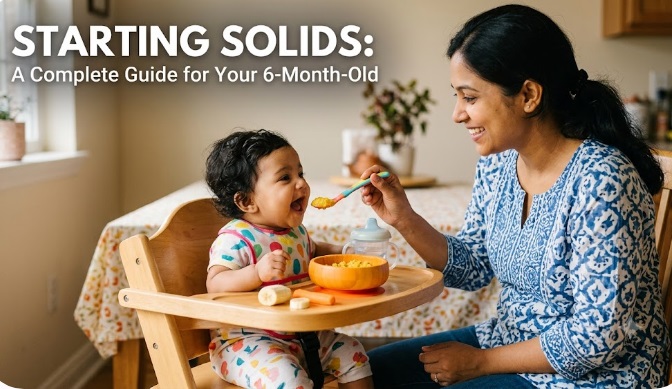
6 Month Baby Food Chart: First Solids & Easy Recipes

6 Month Baby Food Chart : If you are wondering how to safely introduce solids to your infant, this beginner-friendly guide and food chart will make the journey stress-free.

Signs Your Baby is Ready for Solids

6 month baby food chart and healthy purees

Before putting that first spoon in their mouth, ensure your baby is ready. Look for these signs:

  • Your baby can sit up straight with little to no support.
  • They have good neck control and can hold their head steady.
  • They show interest in what you are eating (watching your plate or reaching for food).
  • The “tongue-thrust reflex” (pushing food out of the mouth automatically) has disappeared.

Golden Rules for Introducing First Foods

  • The 3-Day Rule: Introduce only one new food at a time and wait for 3 days before introducing another. This helps you track any allergic reactions like rashes, vomiting, or diarrhea.
  • Start Small: Begin with just 1 or 2 teaspoons once a day. Gradually increase the quantity based on your baby’s appetite.
  • Keep it Smooth: At 6 months, the food must be completely pureed, smooth, and free of any lumps to prevent choking.
  • Never Force Feed: Feeding should be a fun and positive experience. If your baby turns away, do not force them.

Best 6 Month Baby Food List

Here are the safest and most nutritious single-ingredient foods to start with:

  1. Fruit Purees:
    • Banana: Naturally sweet, soft, and easy to mash without cooking.
    • Apple or Pear: Needs to be peeled, steamed until soft, and pureed smoothly.
  2. Vegetable Purees:
    • Sweet Potato or Pumpkin: Rich in vitamins and naturally sweet, making them a baby favorite.
    • Carrot: Easily digestible when steamed and pureed.
  3. Single-Grain Cereals:
    • Rice or Oatmeal Cereal: Mix it with a little breast milk or formula to create a familiar taste.

Quick & Healthy Recipes for Beginners

1. Creamy Apple Puree
  • Ingredients: 1 apple.
  • Method: Peel and core the apple, then cut it into small cubes. Steam the cubes for 10 minutes until completely soft. Blend or mash into a smooth paste. Add a little breast milk if it is too thick.
2. Simple Mashed Banana
  • Ingredients: Half a ripe banana.
  • Method: Peel the banana and use a fork to mash it thoroughly in a clean bowl until no lumps remain. Serve immediately.

Foods to Avoid Safely

  • Honey: Never give honey to a baby under 1 year, as it can cause infant botulism (a serious illness).
  • Salt and Sugar: A baby’s kidneys are too delicate for added salt, and sugar can cause early tooth decay. Keep meals completely natural.
  • Cow’s Milk: Stick strictly to breast milk or formula, as cow’s milk is difficult for a 6-month-old to digest.

Conclusion

Introducing solids is a gradual process of exploration for your baby. Do not worry about how much they eat right now; focus on introducing them to new tastes and textures. Keep nursing or formula feeding as usual, and enjoy this beautiful milestone!

Starting Solids After 6 Months: What to Feed Your Baby and How to Start

​For the first 6 months of life, exclusive breastfeeding is more than enough to meet all of your baby’s nutritional needs. However, as your baby crosses the 6-month milestone and enters their 7th month, their rapidly growing body requires complementary foods alongside breast milk. In medical terms, this transition is known as complementary feeding, or more commonly, introducing solids.

​For new parents, introducing the first solid food often brings a mix of excitement, fear, and hesitation: What should I feed them? How do I feed them? Will it upset their tummy?

​In today’s guide, we will break down the correct, safe, and stress-free rules for starting your baby’s journey into the world of solid foods.

​Is Your Baby Ready for Solids? Look for These Signs

​Instead of rushing to feed your baby exactly on their 6-month birthday, look for these physical developmental signs:

  • Sitting Up: Your baby can sit upright with little to no support.
  • Head Control: Their neck is strong, and they can hold their head steady and control its movement.
  • Curiosity: They show a keen interest in food (e.g., staring intently when adults eat or reaching for your plate).
  • Reflexes: The tongue-thrust reflex (automatically pushing food out of the mouth with the tongue) has diminished.

​What Foods Should You Start With?

​In the beginning, avoid heavy or complex meals made with multiple ingredients. Stick to single-ingredient foods that are easily digestible and smooth in texture.

​1. Single-Grain Cereals

​You can start with a thin, smooth porridge (puree) made from homemade rice flour or suji. It is gentle on the stomach and rarely causes allergic reactions.

​2. Vegetable Purees

​Steamed and finely mashed or pureed vegetables are excellent starters. Great options include:

  • ​Sweet Potato
  • ​Sweet Pumpkin
  • ​Carrots or Ripe Papaya

​3. Fruit Purees

​Fruits are naturally sweet and soft, making them an instant hit with babies.

  • Banana: Thoroughly mashed with a fork.
  • Apple or Pear: Slightly steamed to soften, then blended or finely mashed.
  • Quantity: Do not expect your baby to finish a whole bowl. Start with just 1 to 2 teaspoons per feeding. The goal right now is practice, not volume.
  • Frequency: Offer solid food just once a day initially. It is best to do this in the morning or early afternoon so you have the entire day to monitor them for any digestive issues.
  • The Main Source: Remember, even after introducing solids, breast milk or formula remains your baby’s primary source of nutrition and calories until their first birthday.
  • Never Force Feed: If your baby turns their head away, closes their mouth, or cries, stop feeding them. Eating should never feel like a punishment.
  • Food Consistency: The food should not be as watery as liquid milk, nor should it be too thick or solid. Aim for a semi-solid, smooth puree consistency that drops slowly when you tilt the spoon.
  • Hygiene is Key: Always thoroughly wash your hands and sterilize the baby’s feeding bowls, spoons, and cooking utensils before preparing meals.
  • Absolutely No Honey: Never give honey to a baby under 1 year of age. Honey can contain spores of a bacteria that cause infant botulism, a rare but serious and potentially life-threatening illness.

The Ultimate Guide to Toy Rotation: Say Goodbye to Playroom Clutter

Walk into almost any home with a child, and you’ll likely step on a stray building block or toy car. Parents often think that more toys equal happier, more occupied children.

But science tells us the exact opposite. Studies show that when children are presented with fewer toys, they play longer, exhibit higher creativity, and take better care of their things. Too many choices lead to “choice paralysis”—they get overwhelmed, dump the toy box out, and say, “I’m bored.”

The solution? A toy rotation system. Here is how to set it up in 4 simple steps.

Step 1: Gather and Purge

Pick a day when your kids are sleeping or out of the house. Gather every single toy from the living room, bedrooms, and closets, and pile them in one spot.

  • Throw away broken toys or things with missing pieces.
  • Donate toys your child has clearly outgrown.

Step 2: Categorize the Rest

Group the remaining toys into specific developmental categories:

  • Thinking/Cognitive: Puzzles, shape sorters, matching games.
  • Moving/Active: Balls, pull toys, balance boards.
  • Building/Creative: Blocks, magnetic tiles, playdough accessories.
  • Imaginative/Roleplay: Dolls, toy animals, dress-up, play food.
  • Language/Books: Board books, picture books.

Step 3: Create the “Sets”

Buy 3 to 4 large plastic storage bins. These will be your rotation bins. In each bin, place 1 or 2 items from each category.

For example: Bin A might have a wooden puzzle, a set of blocks, 4 toy cars, a plush dog, and 5 books.

Leave only one bin’s worth of toys out on your open shelves or play space. Hide the other bins away in a closet, garage, or attic where your child cannot see them.

Step 4: Master the Switch

Keep the toys out for 1 to 2 weeks. When you notice your child starting to throw the toys instead of playing with them, or losing interest entirely, it’s time to rotate.

Pack up the current toys, bring out a hidden bin, and set it up nicely on the shelf. To your child, it will feel like Christmas morning all over again, and you didn’t have to spend a dime!

These posts are structured to maximize reader engagement and provide excellent opportunities for internal linking across your site.

10 Sensory Activities for Babies (That Cost $0 to Make)

You don’t need to spend a fortune on high-end, aesthetic wooden toys to boost your baby’s brain development. In fact, your kitchen cabinets and recycling bin contain some of the best sensory toys on the planet.

Sensory play builds nerve connections in the brain’s pathways, supports language development, and hones fine motor skills. Here are 10 quick, free activities to try with your baby today.

For Newborns (0-3 Months)

  • 1. The High-Contrast Mirror: Stand a cheap plastic mirror up during tummy time. Newborns can only focus on things 8-12 inches away and love looking at high-contrast shapes—and their own faces!
  • 2. Flashlight Tracking: In a dimly lit room, slowly shine a flashlight on the wall or ceiling and move it from side to side. This builds their visual tracking skills.

For Older Infants (4-6 Months)

  • 3. The Crinkle Paper Kick: Tape a piece of crinkly wrapping paper or tissue paper to the wall or the foot of their play mat. Put your baby on their back with bare feet touching the paper. Every time they kick, they get instant auditory and tactile feedback.
  • 4. Water Baking Sheet: Pour a thin layer of water onto a baking sheet during tummy time. Toss a few floating plastic toys in it. Your baby will love splashing the water with their open palms.
  • 5. The Whisk Pom-Pom Pull: Stuff colorful fabric scraps or large craft pom-poms inside a metal kitchen whisk. Sit back and watch your baby figure out how to pull them out.

For Sitting Babies (7-12 Months)

  • 6. The Tape Peel: Tape dynamic pieces of painter’s tape or painter’s tape shapes directly to the floor or a high chair tray. Your baby will practice their pincer grasp trying to peel the tape up.
  • 7. Edible “Sand”: Pulse plain oatmeal or cheerios in a blender until it reaches a sandy consistency. Pour it into a plastic bin with some spoons. It looks and feels like sand, but it’s 100% safe if it goes straight into their mouth.
  • 8. The Ice Cube Chase: Place a couple of ice cubes on a hard floor or tray. Babies are fascinated by the temperature difference and will love trying to grab the slippery, melting cubes.
  • 9. Plastic Bottle Shakers: Empty a small plastic water bottle, fill it with dry rice, beans, or pasta, and superglue the lid shut. Instant musical instrument!
  • 10. Kitchen Concert: Give them a wooden spoon and an upside-down plastic mixing bowl or metal pot. It’s loud, yes, but it teaches cause-and-effect brilliantly.

Postpartum Depletion: Why You’re So Tired (And How to Heal)

You expected to be tired after having a baby. You prepared for the sleepless newborn nights. But now, your baby is 6 or 12 months old—maybe even sleeping through the night—and you still feel completely, utterly exhausted.

This isn’t regular “new mom fatigue.” It has a medical name: Postpartum Depletion.

During pregnancy, your body completely reallocates its resources. If your baby needs calcium, iron, or zinc, your body strips it from your bones and organs to give it to them. If you don’t aggressively replace those nutrients postpartum—while also facing sleep deprivation and the stress of caregiving—your body remains depleted for years.

The Warning Signs of Depletion

  • Waking up feeling exhausted, even after 7-8 hours of sleep.
  • “Brain fog” and trouble concentrating.
  • Frequent colds or a weakened immune system.
  • Extreme mood swings, irritability, or feelings of overwhelm.
  • Hair loss that persists long after the 6-month mark.

How to Start Reclaiming Your Energy

You cannot pour from an empty cup. To start healing your body, focus on these three realistic micro-habits:

  1. Don’t Stop Your Prenatal Vitamin: Many moms throw away their vitamins once the baby is born. Keep taking them! If you are breastfeeding, your body needs those nutrients more than ever. If you aren’t, your body still needs them to rebuild its depleted stores.
  2. Prioritize Protein and Healthy Fats: When you’re exhausted, it’s easy to survive on coffee and your toddler’s leftover crusts. Carbohydrates give you a quick spike of energy followed by a crash. Instead, reach for eggs, avocados, nuts, and greek yogurt to keep your blood sugar stable.
  3. Get Your Blood Work Checked: Book an appointment with your primary care doctor and ask for a full panel. Specifically ask them to check your Iron/Ferritin levels, Vitamin D, B12, and Thyroid function. Postpartum thyroiditis is incredibly common and mimics severe fatigue.