
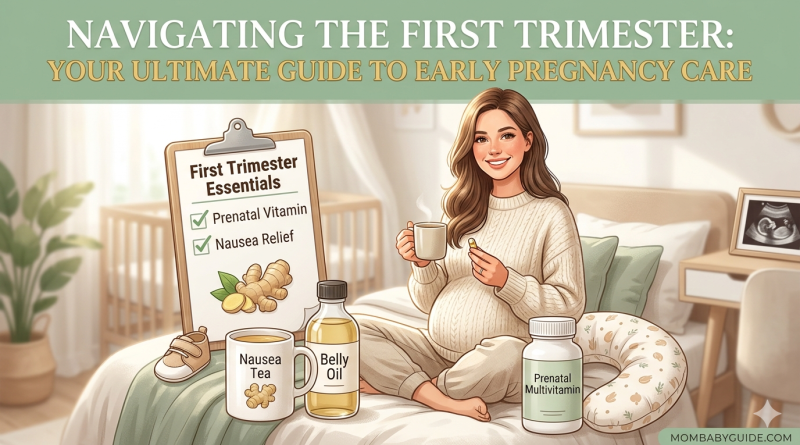
Navigating the First Trimester: Your Ultimate Guide to Early Pregnancy Care
Finding out you’re pregnant is a whirlwind of emotions. Whether you felt an instant wave of joy, a bit of panic, or a mix of both, congratulations! You are embarking on an incredible journey.
While your baby bump won’t show for a while, your body is working overtime behind the scenes during the first trimester (weeks 1 through 13). From sudden bouts of morning sickness to extreme fatigue, early pregnancy care sets the foundation for a healthy nine months ahead.
Here is your comprehensive, step-by-step guide to taking care of yourself and your growing baby during these vital first few weeks.
1. Prioritize Early Prenatal Care
The moment you see that positive test, your first step should be scheduling your initial prenatal appointment. Most healthcare providers will want to see you around week 8, but calling early ensures you get on their schedule.
- Start Prenatal Vitamins Immediately: If you aren’t already taking them, start a daily prenatal vitamin containing at least 400 to 800 micrograms of folic acid. Folic acid is scientifically proven to reduce the risk of neural tube defects (serious birth defects of the brain and spinal cord) by up to 70%.
- Review Your Medications: Make a list of all prescription drugs, over-the-counter medicines, and herbal supplements you take. Discuss them with your doctor to ensure they are safe for the baby.
2. Managing the Infamous “Morning Sickness”
Let’s clear up a huge myth: morning sickness doesn’t just happen in the morning. It can hit at 2:00 PM or 3:00 AM. Caused by a rapid surge in pregnancy hormones (specifically hCG and progesterone), nausea and food aversions affect up to 80% of pregnant women.
Quick Tips to Beat Nausea:
- Eat Small, Frequent Meals: An empty stomach worsens nausea. Keep crackers or dry toast on your nightstand and eat a few bites before even getting out of bed.
- Stay Hydrated: Sip on water, ginger tea, or electrolyte drinks throughout the day.
- Embrace Ginger and Lemon: Natural remedies like ginger lozenges, peppermint tea, or simply sniffing a freshly cut lemon can instantly calm an upset stomach.
3. Listen to the Exhaustion
If you suddenly feel like you need a 10-hour sleep after walking up a flight of stairs, you aren’t lazy. Your body is building an entirely new organ—the placenta—to nourish your baby. This requires a massive amount of energy, alongside a drop in blood pressure and lower blood sugar levels.
Your New Golden Rule: Sleep when you can. Give yourself permission to leave the dishes in the sink, skip a workout, and go to bed at 8:00 PM if your body is asking for it.
4. First Trimester Nutrition: Focus on Quality over Quantity
You might have heard the phrase “eating for two,” but during the first trimester, your baby is only the size of a chia seed to a lime. You actually do not need any extra daily calories right now. Instead, focus on nutrient-dense choices that are easy on your stomach.
| Key Nutrient | Why You Need It | Best Food Sources |
| Folate / Folic Acid | Brain and spinal development | Spinach, lentils, fortified cereals, citrus fruits |
| Iron | Supports increased blood volume | Lean meats, beans, spinach, pumpkin seeds |
| Calcium | Builds baby’s bones and teeth | Yogurt, milk, pasteurized cheeses, tofu, broccoli |
| Protein | Supports uterine and tissue growth | Eggs, chicken, fish (low-mercury), nuts, legumes |
A friendly reminder: If severe nausea means you can only keep down beige carbs like bagels and noodles right now, don’t stress. Do your best, take your prenatal vitamin, and your appetite will likely return in the second trimester!
5. What to Avoid in the First Trimester
To protect your developing embryo, certain lifestyle habits and foods need to be paused:
- Foods to Skip: Raw or undercooked seafood (sushi), unpasteurized milk and juices, soft cheeses (like brie or feta unless labeled “made with pasteurized milk”), and deli meats (unless heated until steaming) to avoid Listeria bacteria.
- Limit Caffeine: Keep your caffeine intake under 200 mg per day—roughly one standard 12-ounce cup of coffee.
- Substances: Absolutely avoid alcohol, smoking, and recreational drugs, as they severely impact fetal development.
Final Thoughts: Take it One Day at a Time
The first trimester is as much a mental transition as it is a physical one. Mood swings are incredibly common due to shifting hormones, anxiety about the future, and physical discomfort. Be gentle with yourself. You are doing the quiet, invisible, and miraculous work of growing a human being.