
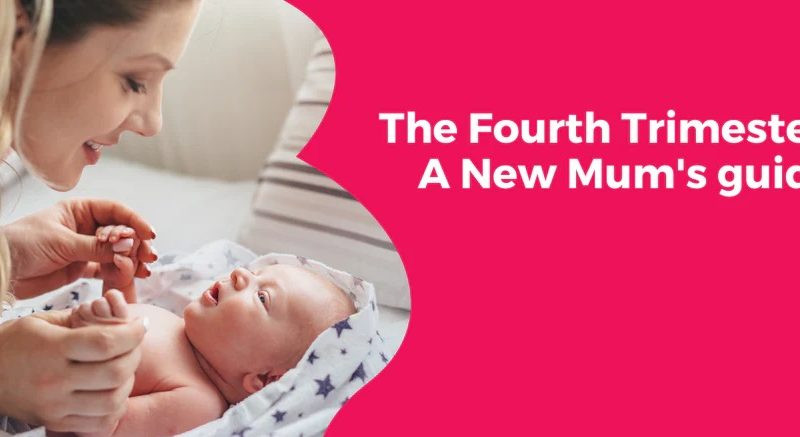
Fourth Trimester: Your Essential Postpartum Self-Care Guide
You’ve packed the hospital bag, survived labor, and finally brought your beautiful baby home. Everyone is focused on the newborn—but who is focusing on you?
The first 12 weeks after birth are widely referred to by doctors and experts as the “Fourth Trimester.” During this profound transitional period, your body undergoes rapid hormonal drops, physical healing, and a complete lifestyle shift.
Taking care of yourself isn’t selfish; it is a vital part of taking care of your baby. Here is your ultimate guide to navigating postpartum physical and emotional recovery.
1. Prioritize Physical Healing
Whether you had a vaginal delivery or a C-section, your body has just ran the ultimate marathon and requires active recovery.
- Soothe the Perineum: If you had a vaginal birth, swelling and soreness are entirely normal. Use a peri bottle with warm water instead of toilet paper after using the bathroom. Upay chilled hazel padsicles (maxi pads sprayed with witch hazel and frozen) can offer instant, cooling relief.
- C-Section Care: If you delivered via cesarean, honor your major abdominal surgery. Avoid lifting anything heavier than your baby, hold a pillow over your incision when you laugh or cough to splint the muscles, and keep the area clean and dry.
- Expect Postpartum Bleeding: Known as lochia, your body will shed blood and tissue for up to 4 to 6 weeks after birth. Stick to heavy-duty maxi pads or disposable postpartum underwear—avoid tampons entirely during this window to prevent infection.
2. Navigating the Hormonal Shift & “Baby Blues”
Within 48 hours of giving birth, your estrogen and progesterone levels plummet back to pre-pregnancy states. This sudden crash, combined with extreme sleep deprivation, triggers the “Baby Blues” in up to 80% of new mothers.
What is Normal?
Feeling weepie, anxious, or overwhelmed during the first two weeks is incredibly common. You might cry at a commercial or feel sudden waves of self-doubt.
When to Seek Help: If these feelings last longer than two weeks, intensify, or include feelings of severe hopelessness or a detachment from your baby, you may be experiencing Postpartum Depression (PPD) or Postpartum Anxiety (PPA). Reach out to your healthcare provider right away—it is incredibly common, highly treatable, and nothing to be ashamed of.
3. Postpartum Nutrition: Refueling Your Body
Your nutritional needs don’t drop the moment the baby is born, especially if you are breastfeeding. Your body requires clean fuel to repair tissues and produce nutrient-rich milk.
- Stay Hydrated: Keep a large, insulated water bottle next to your favorite nursing station. Aim to drink a glass of water every single time you nurse or pump.
- Focus on Warm, Easily Digestible Foods: In many cultures, new mothers are given warm soups, stews, and bone broths. These are excellent because they are comforting, easy on a sluggish postpartum digestive system, and packed with collagen to aid tissue repair.
- Keep Taking Your Vitamins: Continue taking your prenatal or switching to a dedicated postnatal vitamin for as long as your doctor recommends to replenish depleted nutrient stores.
4. Redefining “Sleep”
“Sleep when the baby sleeps” is classic advice that can feel incredibly frustrating when you have a mountain of laundry or just want a quiet shower. However, chronic sleep deprivation slows down your physical healing and worsens mood vulnerability.
- Shift the Mindset: Don’t worry about getting a solid 8-hour block. Aim for cumulative rest. A 20-minute nap while a partner or family member holds the baby can completely reset your brain chemistry.
- Accept Help Boldly: When loved ones ask, “How can I help?”, give them a specific task. Ask them to watch the baby for one sleep cycle, wash the pump parts, or bring over a hot meal.
Final Thoughts: Be Gentle with Your Evolution
Your body didn’t change overnight to grow a baby, and it won’t return to “normal” overnight either. Give yourself the grace, time, and patience to adapt to this beautiful, challenging new identity. You are learning to be a mother just as your baby is learning to be a person.