Author: admin

Nursery Wallpaper Safety: What Every Parent Needs to Know Before Applique

Wallpaper is having a massive moment in nursery home decor. From soft botanical watercolor patterns to whimsical forest scenes, a beautiful accent wall can instantly define the entire room.

However, before you order that gorgeous roll of peel-and-stick wallpaper, you need to look closer at the materials. Many traditional wallpapers and glues release hidden indoor air pollutants that can compromise your newborn’s developing respiratory system.

The Danger: VOCs and Phthalates

Many standard vinyl wallpapers are treated with plasticizers called phthalates and printed using solvent-based inks that release VOCs (Volatile Organic Compounds) into the air long after installation. Because infants breathe at a faster rate than adults, clean indoor air quality is vital.

How to Choose Safe, Beautiful Nursery Wallpaper

1. Look for GREENGUARD Gold Certification

Whether choosing traditional roll paper or a modern peel-and-stick mural, always check the manufacturer’s product specifications for a GREENGUARD Gold Certification. This guarantees the item has been rigorously tested for low chemical emissions.

2. Opt for PVC-Free Materials

Avoid classic vinyl wallpaper. Instead, filter your searches for:

  • Non-woven paper: Made from a blend of natural wood pulp and plant fibers.
  • Woven fabric wallpaper: Often made of polyester or linen textiles that don’t rely on toxic PVC backings.

3. Use Water-Based Inks & Solvents

Ensure the company utilizes water-based or latex inks rather than harsh solvent-based options. If using traditional wallpaper paste, buy a solvent-free, zero-VOC adhesive made from natural corn or wheat starch.

Pro Tip: Complete all wallpapering projects at least 2 to 3 weeks before your baby’s due date. Keep the windows open and a true HEPA air purifier running in the empty room to ensure any residual odors completely dissipate before your little one arrives.

How to Create a Minimalist Sensory Playroom (Without the Sensory Overload)

Playrooms are often envisioned as high-energy spaces covered in primary colors, loud electronic toys, and busy wall murals. However, child development research reveals that overly chaotic spaces can cause overstimulation, leading to shorter attention spans and frequent tantrums.

A minimalist sensory playroom flips this concept. By focusing on neutral colors, natural textures, and open-ended play elements, you create a peaceful sanctuary that sparks deep focus and creative development.

Designing for the Senses: Step-by-Step

1. Calming Visuals (Sight)

Swap bright reds and neon yellows for a soothing base palette of soft cream, warm beige, or light clay. Use matte-finish paints to reduce harsh glares from windows.

  • Decor Tip: Instead of commercial wall decals, display your child’s own artwork in simple light-wood frames hung at their eye level.

2. Deep Tactile Exploration (Touch)

A minimalist room relies on texture rather than color to feel interesting.

  • Decor Tip: Layer a thick, washable cotton rug over hardwood floors. Bring in sensory furniture like a soft linen floor cushion, a small wooden pikler triangle for climbing, or a dedicated wooden sensory table filled with kinetic sand or dried beans.

3. Sound Dampening (Hearing)

Sensory play can get loud. Hardwood floors and bare walls bounce sound around, contributing to stress for both parent and child.

  • Decor Tip: Incorporate thick cloth curtains, plush floor pillows, and woven wall hangings. These textiles act as acoustic dampeners, keeping the playroom noticeably quieter.

5 Stylish Toy Storage Solutions That Don’t Ruin Your Living Room Aesthetic

It is the classic parenting struggle: you spend months curating a calm, beautiful living space, only for it to be completely overrun by bright plastic toys, stray blocks, and neon picture books.

You don’t have to surrender your home design to the chaos. With the right piece of functional furniture, you can maintain a sophisticated home decor style while keeping toys accessible for your children.

1. The Storage Ottoman or Bench

An upholstered storage ottoman or a sleek wooden bench at the foot of your sofa works double duty. It acts as a stylish coffee table or extra seating while hiding the daily toy mess.

  • The Styling Secret: Choose durable, easy-to-clean fabrics like performance velvet or faux leather in neutral tones.
  • The Safety Check: Look for lids with safety support hinges. Standard heavy lids can slam down abruptly on tiny fingers. Safety hinges hold the lid open at any angle until intentionally pushed closed.

2. Low Modular Sideboards

Instead of cheap plastic cubbies, invest in a mid-century modern or minimalist wooden sideboard with sliding doors.

  • The Styling Secret: Children can easily open sliding doors or low cabinets to pull out canvas bins. When guests arrive, close the doors, and your living room instantly looks adult-approved again.

3. High-Quality Woven Baskets

Never underestimate the power of large, open-top woven baskets made of seagrass, cotton rope, or jute.

The Styling Secret: Scatter two or three matching baskets in corner spaces. They add a cozy texture to your room decor while allowing for a 30-second cleanup at the end of the night.

The Montessori Floor Bed Guide: Designing a Safe, Independent Toddler Room

Transitioning your toddler from a crib to a big-kid bed can be a daunting milestone. Instead of traditional toddler beds with high rails, many modern parents are embracing the Montessori floor bed concept. This design philosophy prioritizes a child’s autonomy, freedom of movement, and visual mastery of their own space.

However, moving a mattress directly to the floor requires a completely different approach to bedroom styling and safety. Here is how to create a beautiful, minimalist Montessori room that keeps your little explorer safe.

What is a Montessori Floor Bed?

Rooted in the educational philosophy of Dr. Maria Montessori, a floor bed eliminates the physical barrier of traditional cribs. By placing a low-profile mattress on or close to the ground, your child can independently get out of bed to play and return when they are tired.

3 Essential Rules for Styling a Floor Bed Space

1. Frame vs. Direct Floor Placement

While you can technically lay a mattress directly on a rug, it isn’t ideal for long-term home decor or health. Without proper airflow underneath, body heat can trap moisture, leading to hidden mold growth.

  • The Design Choice: Opt for a low-profile wooden house bed frame or a simple slatted wooden base. It keeps the minimalist aesthetic intact while ensuring the mattress breathes perfectly.

2. Absolute Room Childproofing (The Room IS the Crib)

When your child has the freedom to roam at 2:00 AM, the entire bedroom effectively becomes their crib.

  • The Design Choice: Swap out heavy, sharp-edged nightstands for soft cloth bins or rounded wooden stools.
  • The Safety Check: Cover every electrical outlet with slide-close plates, anchor all clothing dressers to the wall studs, and use cordless window blinds exclusively.

3. Keep Toys Low and Minimal

A cluttered room makes sleep impossible when a toddler is free to wander.

  • The Design Choice: Utilize low-slung, open shelving units where only 4 to 6 wooden toys or books are displayed at a time. This keeps the aesthetic clean and prevents sensory overload right before bedtime.

5 Gender-Neutral Nursery Ideas That Balance Style and Safety

Designing a nursery is one of the most exciting milestones of pregnancy. However, modern parents are shifting away from the traditional “baby pink” or “powder blue” themes. Instead, the focus has turned to gender-neutral nursery ideas that feel sophisticated, calming, and effortlessly transition as your baby grows.

But creating a beautiful space is only half the battle. When it comes to your little one, safety always comes first.

Let’s dive into five stunning, gender-neutral nursery trends that beautifully balance high-end interior design with strict infant safety standards.

1. The Earthy Boho Sanctuary

Earthy tones and bohemian textures are incredibly popular for a reason. They bring a warm, grounded energy into the nursery. Think terracotta, warm ochre, soft olive, and sandy beige.

  • The Style: Use warm, abstract terrazzo or arch patterns on an accent wall. Incorporate natural elements like a light wood crib, a cozy woven pouf or jute rug, and a plush cream glider chair for late-night feedings.
  • The Safety Check: When opting for boho decor, avoid hanging heavy framed art, macramé wall hangings, or floating shelves directly over the crib. As babies learn to pull themselves up, these can become major falling hazards. Keep the wall space directly above the crib completely clear.

2. Minimalist Scandinavian Calm

If your home decor leans clean and modern, a Scandinavian-inspired nursery is a perfect fit. This style relies heavily on functional furniture, plenty of natural light, and a neutral palette of whites, soft grays, and muted sage greens.

  • The Style: Choose low-profile furniture with clean lines. A simple convertible crib paired with a sleek white dresser that doubles as a changing station keeps the room feeling spacious and clutter-free. Use subtle decals like stars or mini rainbows to add a touch of whimsy.
  • The Safety Check: The cornerstone of a Scandi nursery is minimalism, which aligns perfectly with safe sleep practices. Keep the crib completely empty. While aesthetic photos often show plush toys, heavy blankets, and fabric bumpers draped over the rails, the American Academy of Pediatrics (AAP) states that a firm, flat mattress covered only by a tight fitted sheet is the only safe way for a baby to sleep.

3. The “Whimsical Woodland” Escape

Bring the outdoors in with a forest or woodland theme. Instead of bright cartoon animals, choose muted, watercolor-style prints of foxes, deer, and pine trees.

  • The Style: Use a soft, sage-green or misty-gray paint on the walls. Add a large, plush leaf-shaped floor mat for tummy time, and hang framed botanical sketches or minimalist animal line art.
  • The Safety Check: If you use a floor lamp to illuminate your reading nook, make sure it has a heavy, anti-tip base. Ensure all electrical cords are tucked safely behind heavy furniture or secured using cord covers so they are completely out of reach of curious crawling hands.

4. Vintage Gender-Neutral Charm

Vintage or “Grandmillennial” style is making a huge comeback in children’s spaces. It relies on timeless, heirloom-quality pieces that feel nostalgic yet fresh.

  • The Style: Look for a spindle-style wooden crib or an elegant iron-wrought crib frame (painted with non-toxic paint). Use warm creams, soft taupes, and subtle beige stripes or plaid textiles to keep it entirely gender-neutral.
  • The Safety Check: If you are using an antique or secondhand crib, verify that the slats are no more than 2 and 3/8 inches apart (about the width of a soda can) so your baby’s head cannot get trapped. Also, ensure the paint is strictly lead-free and non-toxic.

5. High-Contrast Modern Monochrome

For a bold, contemporary look, a black, white, and gray color palette is visually striking and highly functional.

  • The Style: Use crisp white walls paired with bold black hardware, a charcoal accent rug, and graphic, geometric art prints.
  • The Style Benefit: Newborns can only see high-contrast patterns (black and white) for the first few months of life. This design choice actively helps stimulate their developing vision!
  • The Safety Check: Heavy dressers, bookshelves, and changing tables are major tipping hazards once your baby starts pulling themselves up to stand. No matter how sturdy the furniture feels, always anchor heavy items securely to the wall stud using anti-tip furniture straps.

Core Nursery Safety Rules for Any Theme

No matter which theme you choose for your mombabyguide.com home decor project, wrap up your planning with this safety checklist:

  • Window Placement: Keep the crib far away from windows. Blinds with cords are a severe strangulation hazard, and older babies can push screens out of open windows.
  • Air Quality: When painting the room or bringing in new manufactured wood furniture, look for Low-VOC or Zero-VOC paints and GREENGUARD Gold Certified furniture to prevent toxic off-gassing.
  • The Two-Finger Test: Ensure there is no gap greater than two fingers between the crib mattress and the crib frame to avoid entrapment.

Final Thoughts

Your baby’s room doesn’t have to sacrifice style to be a secure, peaceful environment. By opting for a gender-neutral palette and timeless furniture, you create a beautiful backdrop that easily grows alongside your child.

The Best Books for Moms: Must-Reads for Inspiration, Parenting, and Much-Needed Laughs

Between the endless cycles of laundry, making snacks, and managing a household, finding a moment to sit down with a book can feel like a rare luxury. But when you do manage to carve out 10 minutes before bed or during a rare, quiet afternoon naptime, opening a great book is one of the best ways to recharge.

As a mother, reading books written by fellow moms who “get it” can provide incredible comfort, validation, and practical wisdom. Whether you are looking for evidence-based parenting strategies, a laugh-out-loud memoir, or a book that reminds you to care for yourself, this curated list has something for every stage of motherhood.

Grab a warm cup of tea, find a cozy corner, and add these must-read books for moms to your reading list.

1. The Best for Practical Parenting: The Whole-Brain Child

  • Authors: Daniel J. Siegel, M.D., and Tina Payne Bryson, Ph.D.
  • Great for: Understanding your child’s emotional outbursts and tantrums.

If you only read one parenting book, make it this one. Written by a neuropsychiatrist and a parenting expert, this book breaks down the complex science of how a child’s brain develops in a way that is incredibly easy to understand and apply.

  • Why moms love it: It offers 12 revolutionary strategies to help handle everyday struggles, turning meltdowns into opportunities for connection and growth. Instead of telling you how to punish, it teaches you how to teach.

2. The Best for Mindset & Self-Care: Good Inside

  • Author: Dr. Becky Kennedy
  • Great for: Shifting away from mom-guilt and building deep relationships.

Known as the “millennial parenting whisperer,” Dr. Becky Kennedy’s philosophy is centered around a simple, powerful truth: You are good inside, and your child is good inside, even during the hardest moments.

  • Why moms love it: This book acts as a warm hug mixed with a clinical masterclass. It provides actionable scripts for tough situations (like sibling rivalry, deeply emotional tantrums, and defiance) while heavily prioritizing the mother’s mental health and self-compassion.

3. The Best for Comic Relief: I Heart My Little A-Holes

  • Author: Karen Alpert
  • Great for: Real, unfiltered, laugh-out-loud comedy about the chaotic toddler years.

Let’s be honest: sometimes you don’t want deep philosophy or data. Sometimes you just need to laugh so you don’t cry. Based on her wildly popular blog, Baby Sideburns, Karen Alpert delivers a hilariously honest look at the messy, exhausting, and wonderfully ridiculous side of raising toddlers.

  • Why moms love it: It is completely uncensored, relatable, and reminds you that it is perfectly okay to love your kids to pieces while occasionally finding them incredibly annoying.

Quick Reference: Which Book is Right For You Right Now?

If you are feeling…You should read…Core Takeaway
Overwhelmed by toddler tantrumsThe Whole-Brain ChildConnect emotionally before trying to reason logically.
Drowning in mom-guiltGood InsideYou and your child are both doing the best you can.
Exhausted and need a good laughI Heart My Little A-HolesMotherhood is chaotic, messy, and beautifully imperfect.
Anxious about the futureHunt, Gather, ParentTrust your instincts and let children naturally integrate into daily family life.

4. The Best for a Global Perspective: Hunt, Gather, Parent

  • Author: Dr. Michaeleen Doucleff
  • Great for: Over-scheduled moms looking for a calmer, simpler approach to raising cooperative kids.

When NPR journalist Michaeleen Doucleff found herself struggling with her toddler’s behavior, she decided to travel the world with her daughter to learn parenting secrets from three of the world’s oldest cultures: Maya, Inuit, and Hadzabe families.

  • Why moms love it: It flips Western parenting advice completely on its head. It teaches moms how to raise helpful, resilient children without resorting to constant praise, rewards, or highly stressful chore charts.

5. The Best for Soul Care: Gift from the Sea

  • Author: Anne Morrow Lindbergh
  • Great for: Mothers looking for quiet reflection, slowing down, and rediscovering their identity.

Though written decades ago, this timeless classic remains one of the most beautiful meditations on a woman’s life, relationships, and the unique challenges of maintaining your identity after becoming a mother.

  • Why moms love it: Written while the author spent a solitary week at the beach, its lyrical prose serves as a soothing antidote to our modern, hyper-connected, fast-paced lives. It reminds you of the deep importance of solitude and inner peace.

How to Actually Find Time to Read as a Mom

Knowing what to read is only half the battle—finding the time is the real challenge. Here are three quick tips to sneak more reading into your hectic routine:

  • Switch to Audiobooks: Listen to books on your phone using wireless earbuds while washing dishes, folding laundry, or driving during the school run.
  • Keep a Book on Your Nightstand: Swap out your final 15 minutes of scrolling through social media before sleep for 15 minutes of reading a physical book. It will improve your sleep quality significantly!
  • Keep it in Your Bag: You never know when you’ll get stuck in a long grocery checkout line or waiting in the car during a doctor’s appointment. Having a book on hand turns dead time into reading time.

Final Thoughts

Motherhood is a magnificent journey, but it isn’t meant to be walked alone. Books have a beautiful way of acting as quiet mentors, companions, and mirrors to our own experiences. Whether you choose a book that teaches you a new parenting technique or one that simply makes you giggle in bed, investing time in reading is a beautiful act of self-care.

What is currently sitting on your nightstand? Let us know in the comments below!

Postpartum Fitness & Beauty Care: Easy Self-Care Secrets for Moms

Between midnight feedings, diaper changes, and chasing after a toddler, finding time for yourself can feel like an impossible luxury. When you are a mom, your own needs are often pushed to the very bottom of the to-do list.

But here is a gentle reminder: Taking care of yourself isn’t selfish—it is essential.

Reclaiming your postpartum fitness and reviving your skincare routine doesn’t require hours at the gym or an expensive 10-step beauty regimen. It is entirely possible to feel strong, energized, and glowing in just a few minutes a day.

Here is your realistic, hype-free guide to balancing fitness and beauty care as a busy mom.

Part 1: Realistic Fitness Tips for Busy Moms

Before jumping into any workout routine, remember to give your body grace. It took nine months to grow a human, so it will take time to rebuild your strength. Always ensure you have medical clearance from your healthcare provider before starting any postpartum exercise.

1. Ditch the “All-or-Nothing” Mindset

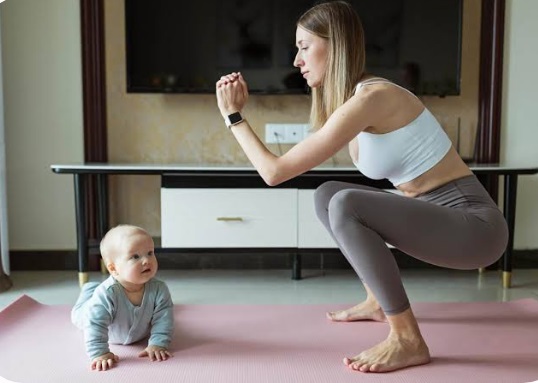
You don’t need an uninterrupted 60-minute block to get an effective workout. Instead, embrace “exercise snacking”—breaking your physical activity into small, manageable 5 to 10-minute bursts throughout the day.

  • Do 10 bodyweight squats while waiting for the morning coffee to brew.
  • Hold a 30-second plank next to your baby during their tummy time.
  • Take a brisk 15-minute walk around the block with the stroller.

2. Focus on Core and Pelvic Floor Rehabilitation

Pregnancy stretches and weakens your core and pelvic floor muscles. Jumping straight into intense crunches or running can sometimes cause more harm than good.

  • Prioritize gentle, deep core engagement: Look into exercises like diaphragmatic breathing, pelvic tilts, and bird-dogs. Rebuilding your foundation from the inside out fixes posture and prevents lower back pain.

3. Involve Your Kids

If your little one refuses to be put down, make them part of the movement!

  • Use your baby as a gentle, fun weight for goblet squats.
  • Turn on some music and have a 10-minute dance party in the living room with your toddler. It burns calories, releases endorphins, and keeps them entertained.

Part 2: Quick Beauty Care Routines for a Fresh Postpartum Glow

Postpartum hormonal shifts can trigger a rollercoaster of skin changes, from sudden acne breakouts to extreme dryness and dark spots (melasma). When you are running on minimal sleep, a streamlined, high-impact skincare routine is your best friend.

1. The 3-Minute Morning “Fresh Face” Routine

When you hear the baby waking up, skip the heavy makeup and focus on hydration and protection:

  • Step 1: Cleanse: Splash your face with lukewarm water or a gentle, hydrating cleanser.
  • Step 2: Brighten: Apply a Vitamin C serum. It acts as an antioxidant to fade dark spots and instantly brightens up sleep-deprived skin.
  • Step 3: Protect (Non-Negotiable): Apply a broad-spectrum SPF 30 or higher. Sunscreen prevents postpartum pigmentation from worsening and keeps your skin looking youthful.

2. Multi-Tasking Beauty Heroes

When time is short, products that do double-duty are worth their weight in gold:

  • Tinted Moisturizer with SPF: Gives you light coverage to even out skin tone while providing hydration and sun protection.
  • Lip and Cheek Tint: A quick swipe of a pink or peach tint on your lips and the apples of your cheeks adds instant life and warmth to your face.
  • Dry Shampoo: The ultimate mom-essential. A quick spray at the roots absorbs excess oil and adds volume, saving you from a full hair-washing and styling session.

Simple Mom Self-Care Schedule

To make things easier, here is how you can seamlessly weave fitness and beauty care into an ordinary day:

Time of DayFitness FocusBeauty Focus
Morning5 minutes of gentle stretching to wake up the spine.Vitamin C serum, moisturizer, and a reliable SPF.
AfternoonA 15-to-20 minute power walk with the stroller during naptime.Hydrating lip balm and a refreshing facial mist splash.
Evening5 minutes of deep core breathing and pelvic floor engagement.Double-cleanse to remove the day’s grime, followed by a rich moisturizer or facial oil.

Final Thoughts: Fill Your Own Cup First

The most important thing to remember on your postpartum fitness and beauty journey is consistency over perfection. Eating balanced meals, drinking plenty of water, and catching sleep whenever possible are just as crucial as any exercise or cream.

You are doing an incredible job raising your little ones. By dedicating just a few minutes a day to moving your body and caring for your skin, you will find the renewed energy and confidence you need to tackle motherhood head-on.

Beautiful Nursery Decor Ideas for New Parents

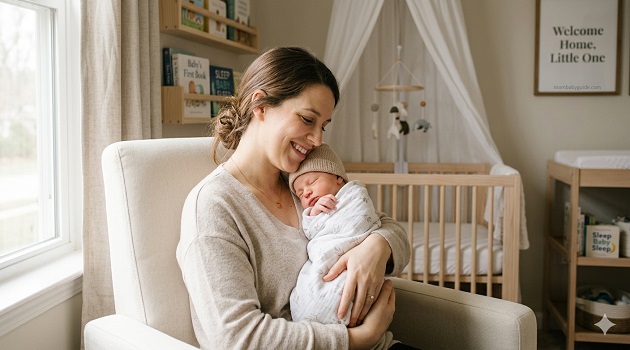
Preparing for a new baby is one of the most exciting journeys in parenthood. Amidst choosing baby gear and folding tiny clothes, designing the nursery is a special project where your creativity can truly shine.

However, a great nursery needs to be more than just picture-perfect for social media; it needs to be a functional, safe, and calming space for both you and your baby during those late-night feeds.

Whether you are working with a spacious room or a cozy corner in your master bedroom, these budget-friendly and stylish nursery decor ideas will help you create the perfect sanctuary.

1. Choose a Calming, Versatile Color Palette

While bright primary colors are stimulating for older babies, a nursery should ideally be a serene environment that promotes sleep. Soft, muted tones work best as a base.

  • The Trend: Moving away from strict “baby blue” or “bubblegum pink” toward gender-neutral, earthy palettes. Think sage green, warm beige, soft terracotta, or dusty lavender.
  • Growth Tip: Choose a wall color that can grow with your child. Neutral walls allow you to easily update the room’s vibe later just by swapping out toys, art, and bedding.

2. Designate Functional “Zones”

To keep the nursery from feeling chaotic, organize the layout into three distinct functional zones:

ZoneEssential ItemsDesign Focus
The Sleep ZoneCrib, firm mattress, blackout curtainsMinimalist, clutter-free, and away from direct window drafts.
The Care ZoneChanging table/dresser, diaper pail, wipes organizerEverything within arm’s reach so you never have to leave your baby unattended.
The Feeding ZoneComfortable glider or rocker, side table, dim dimmable lampFocus on maximum comfort for long nights.

3. Create a Stunning Focal Point with a Feature Wall

You don’t need to decorate every square inch of the room to make an impact. Pick one wall—usually the wall behind the crib—to be your statement feature wall.

  • Removable Wallpaper: Peel-and-stick wallpaper is a lifesaver for nurseries. From whimsical woodland creatures to minimalist geometric prints, it adds instant personality and is easy to remove when tastes change.
  • Gallery Wall: Frame a mix of sweet animal prints, botanical illustrations, or simple line art.
  • Custom Name Sign: A wooden or acrylic cutout of your baby’s name centered over the crib or changing station adds a beautiful, deeply personal touch.

4. Prioritize Smart, Accessible Storage

Babies accumulate a lot of “stuff”—from tiny socks to massive diaper packs. Keep the clutter at bay by utilizing vertical space and hidden storage.

  • Floating Bookshelves: Instead of a bulky bookcase, install floating shelves on the wall. Displaying children’s books with the covers facing out acts as functional, vibrant wall art.
  • Woven Baskets: Soft canvas or seagrass baskets are perfect for throwing soft toys, blankets, and laundry into quickly. Plus, they add a lovely natural texture to the room.
  • Closet Organizers: Use hanging dividers categorized by clothing age (0-3 months, 3-6 months, etc.) to keep your wardrobe updates stress-free.

5. Layer Textures for Ultimate Coziness

A room feels warm and inviting when it mixes different tactile elements. Layering textures softens the hard edges of wooden cribs and plastic changing mats.

  • The Rug: Choose a soft, plush rug where your baby can safely practice tummy time as they grow. Look for washable options because spills will happen.
  • Soft Linens: Stick to breathable, organic cotton fabrics for crib sheets and changing pad covers.
  • Drapery: High-quality blackout curtains are non-negotiable. They block out daylight for afternoon naps and help regulate the room’s temperature.

⚠️ A Quick Note on Nursery Safety

No matter how beautiful a decoration looks, safety always comes first.

  • Keep the crib completely bare (no pillows, heavy blankets, bumpers, or stuffed animals).
  • Ensure any wall art or heavy shelving is anchored securely to the wall and positioned well away from the reach of a standing toddler.
  • Cordless window blinds are a must to eliminate strangulation hazards.

Final Thoughts

Your baby’s nursery is the backdrop for some of your most precious early memories. Don’t feel pressured to buy everything brand new or completely finish the room before the baby arrives. Start with the essentials—a safe crib, a comfortable chair, and a solid changing setup—and let the rest of the decor evolve naturally as you get to know your little one’s personality.

Stylish & Practical: Toddler Fall Fashion Guide

Fall is here, and it’s time to refresh your little one’s wardrobe! For busy moms, the key is finding clothes that are both adorable and functional. This guide will help you navigate the best of toddler fall fashion.

Layering is Your Best Friend:

The weather can be unpredictable, so layers are essential. Think cardigans over t-shirts, leggings under dresses, and vests that can be added or removed as needed. This ensures your toddler is comfortable all day long.

Comfort Over Everything:

Toddlers are on the go, so comfort is a must. Look for soft, breathable fabrics like cotton and fleece. Elastic waistbands are a lifesaver, and clothes should be easy to put on and take off (think buttons and zippers, but maybe skip the complicated ones).

Choose Durable and Washable Fabrics:

Let’s face it: toddlers are messy. Invest in clothes that can withstand frequent washing. Cotton, denim, and fleece are durable options. Pay attention to care labels to ensure the items are easy to maintain.

Don’t Forget the Details:

Add some fun and personality to your toddler’s look with cute accessories. Beanies, scarves, and even tiny sunglasses can elevate a simple outfit. When it comes to shoes, opt for practical and comfortable options that are easy for little feet to walk in.

Classic Fall Colors and Prints:

Embrace the season with warm and earthy tones like mustard yellow, olive green, burnt orange, and deep reds. Plaid patterns and animal prints are also popular choices for fall. Don’t be afraid to mix and match to create unique looks.

Must-Have Toddler Fall Fashion Items:

  1. Cardigans: Versatile and easy to layer.
  2. Leggings: Comfortable and great for active toddlers.
  3. Puffer Vest: Perfect for adding warmth on chilly days.
  4. Beanie and Scarf: Keeps little heads and necks warm.
  5. Durable Boots or Sneakers: Practical for playing outdoors.

Get Inspired!

Check out Pinterest and Instagram for endless inspiration. Look for toddler fashion bloggers and influencers who share their little ones’ stylish outfits. Remember, have fun with it and choose clothes that make your toddler feel happy and comfortable.

5 Positive Parenting Tips for Toddlers: How to Manage Behavior and Skip the Power Struggles

The toddler years are a beautiful, whirlwind phase of rapid growth. Your little one is learning to walk, talk, and explore the world around them. But this sudden rush of independence often comes with a challenging sidekick: toddler tantrums and meltdowns.

When your two-year-old throws themselves on the floor because you cut their toast the wrong way, it is easy to lose your patience. However, shifting from reactive discipline to positive parenting can entirely change the dynamic in your home.

Positive parenting isn’t about letting your child do whatever they want. Instead, it focuses on building a strong, respectful connection while setting firm, loving boundaries.

Here are five highly effective, positive parenting tips for toddlers that will help you manage difficult behavior without resorting to yelling.

1. Reframe “Bad Behavior” as Misunderstood Communication

Toddlers experience massive, overwhelming emotions like frustration, anger, and fatigue, but they lack the brain development to express them calmly. When a toddler acts out, they aren’t trying to push your buttons—they are trying to tell you something.

  • The Positive Shift: Look past the behavior to find the trigger. Are they hungry? Tired? Overstimulated?
  • What to say: “I see you are throwing your blocks. Are you feeling frustrated because they keep falling over?”

Naming the emotion validates their feelings, which naturally helps lower their emotional temperature.

2. Master the Power of “Positive Phrasing”

Toddlers hear the word “No” dozens of times a day. Over time, they tune it out, or it triggers an immediate defensive reaction. Positive parenting flips the script by telling your child what to do instead of what not to do.

The human brain processes positive directives much faster than negative ones. Consider making these simple language shifts in your daily routine:

Instead of saying…Try saying…
“Don’t run in the house!”“Please use your walking feet inside.”
“Stop hitting the dog!”“Use gentle hands with the puppy.”
“Don’t throw your food!”“Food stays on the plate, please.”

3. Offer Limited Choices to Give Them Control

A major cause of toddler tantrums is feeling powerless. They are told when to eat, what to wear, and when to sleep. You can drastically reduce power struggles by offering controlled choices, giving them a sense of autonomy while you still control the outcome.

Keep choices limited to just two options so their developing minds don’t feel overwhelmed:

  • “Do you want to wear the blue shirt or the red shirt today?”
  • “Should we pack up the blocks first, or the books?”
  • “Would you like to walk to the car like a bear or hop like a bunny?”

Pro-Tip: Make sure you are perfectly happy with both options before you offer them!

4. Establish Predictable Daily Routines

Toddlers thrive on predictability. When they know what to expect next, they feel safe and are much more cooperative. Unexpected transitions (like leaving the park or stopping playtime) are prime zones for major meltdowns.

Create a simple visual or verbal routine for high-friction times like mornings and bedtime. Use countdowns to prepare them for transitions:

1.Give a 5-Minute Warning:Preparation.

Let them know a change is coming. “In five minutes, we are leaving the park to go home for lunch.”

2.Give a 2-Minute Warning:Finality.

Reiterate the boundary clearly. “Two more times down the slide, then it’s time to go.”

3.Acknowledge and Move:Execution.

Validate the transition while maintaining the boundary. “It’s hard to leave the park because it’s so fun! Let’s race to the stroller.”

5. Connect Before You Correct

When your toddler misbehaves, your instinct might be to isolate them or issue an immediate consequence. However, a highly emotional child cannot process a lesson. Their “brain lid” is flipped, and they are in fight-or-flight mode.

Always focus on emotional connection first to bring their nervous system back to a calm state:

  • Get down on their eye level: Physical proximity shows you are there to help, not threaten.
  • Offer a hug or physical touch: If they allow it, a warm embrace releases oxytocin, which naturally lowers stress.
  • Keep your voice calm and quiet: Your calm is contagious. If you match their high volume, the meltdown will only escalate.

Once your child is calm, you can gently discuss the boundary: “It’s okay to be mad, but it is not okay to hit. Next time, tell me ‘I’m mad!'”

Final Thoughts for Parents

Transitioning to positive parenting takes time, practice, and a lot of grace—mostly for yourself. There will be days when you lose your cool, and that is completely normal. When it happens, repair the moment with your toddler by apologizing. This teaches them another valuable life lesson: how to handle mistakes.

By implementing these positive parenting tips for toddlers, you aren’t just managing today’s behavior; you are building a lifetime foundation of trust, communication, and emotional resilience for your child.